📰 Le Fil I Morocco, a place like no other


Casablanca's CFC Tower, home to the Casablanca Finance City financial center, dominates the Casa Anfa business district. It stands as a symbol of a country where emlyon alumni find a market that is “less mature but more dynamic.”
Lire l'article original en français dans le magazine Le Fil #8
Morocco, a place like no other
Morocco is home to a vibrant, engaged alumni community that plays an active role in raising the School’s profile and driving the country's growth. Meet some of its members.
Opened on May 16, 2025, the Casablanca Alumni House was set up at the initiative of the French Embassy and alumni associations from leading French graduate schools, including emlyon. It quickly became a popular meeting place for networking and sharing ideas. On June 10, 2026, Isabelle Huault (PGE90), Executive President & Dean of emlyon business school, joined alumni there for an evening dedicated to the School's development strategy in Africa. Morocco is a key part of emlyon's international strategy. The School has forged strong ties and academic partnerships with some of the country's leading institutions, including the International University of Rabat, UM6P and École Centrale Casablanca. At the same time, the alumni community is becoming increasingly active and engaged.
Amine Belhaj Soulami (PGE13)
Ministry of Industry and Trade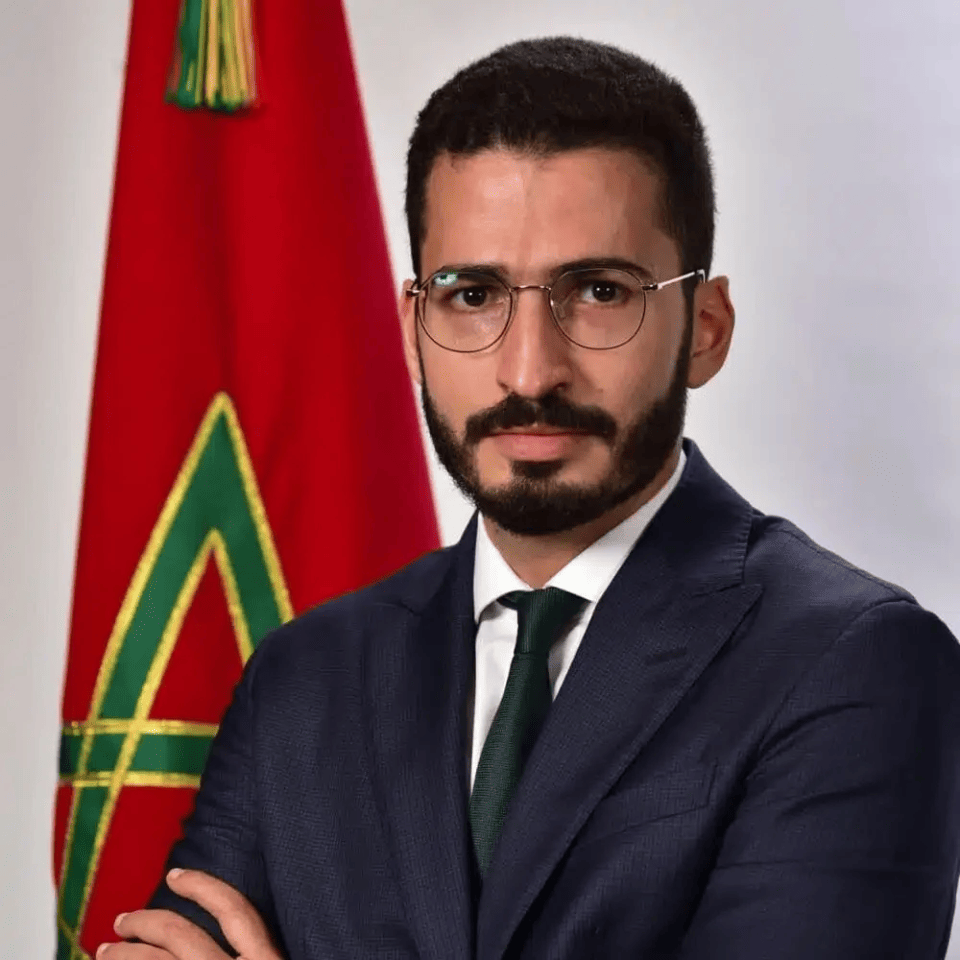
Stories of coming home
For most alumni, the return to Morocco was driven by a combination of professional and personal reasons. For Amine Belhaj Soulami (PGE13), Chief of Staff to Morocco's Minister of Industry and Trade, the decision was never in question. He joined Société Générale in Casablanca straight after graduation. “I was born and raised in Morocco and completed my secondary education there,” he explains. I've always known I wanted to come back, because of my ties to my family and my country, and my desire to contribute to its development.”
" I've always known I wanted to come back, because of my ties to my family and my country, and my desire to contribute to its development"
Oumaya Ayad (PGE18)
McKinsey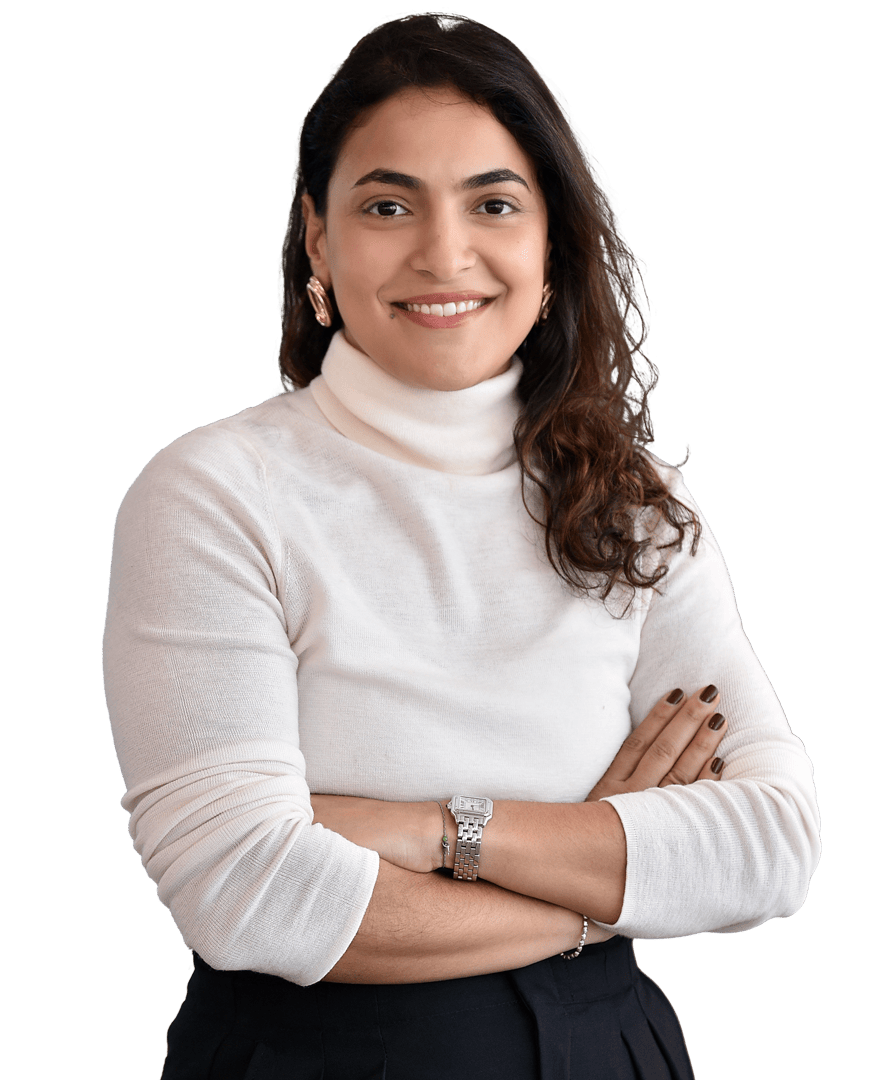
Oumaima Ayad (PGE18) began her career as a consultant at McKinsey in Paris, focusing on consumer goods and retail. In 2021, as the pandemic subsided, she moved to the Casablanca office not only to be closer to her family, but also to work “on the challenges of a growing market, one that is less mature than France but more dynamic. In France, most of my work had involved restructuring and improving productivity.”
Simo Zizi (PGE14)
Jobzyn
 Simo Zizi (PGE14) was drawn back for similar reasons. After 15 years in France, where he studied at emlyon, began his career at Capgemini Consulting and went on to take on an entrepreneurial role within Autobiz's key account sales division, he decided to launch his own business. “I thought long and hard about where to start,” he says. I felt I had more potential to make a difference in Morocco, a fast-developing country whose start-up ecosystem is still taking shape, than in France, where the market is already mature.” He went on to launch Jobzyn, a recruitment platform for the Moroccan market. “My decision also reflected the desire, shared by my wife, who is also an emlyon alumna, to return home,” he explains.
Kenza Sayegrih (PGE12)
Hopscotch System Africa
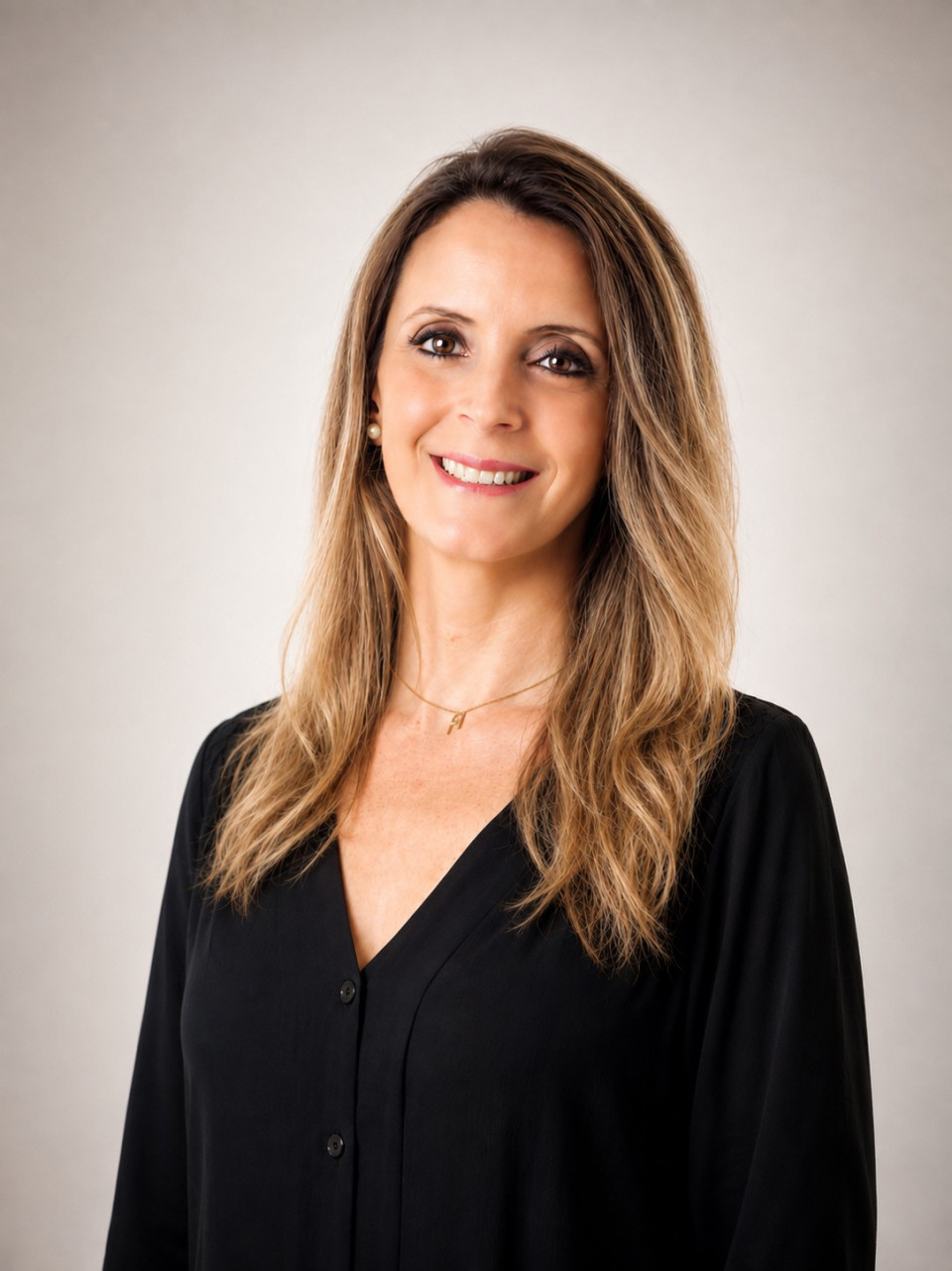
Kenza Sayegrih (PGE12) has followed a different international path, working across several industries and markets. After studying in the UK, the US and France (at AgroParisTech and emlyon), she spent two years at the SEB Group in Lyon before moving back to Casablanca in 2014 to take up a product manager position at Novo Nordisk. Since 2019, she has been Business Director at Hopscotch System Africa, part of the communications group that advises
international organizations on reputation, influence, public affairs and corporate communications. “Coming home has allowed me to combine my career with family life. I can raise my four children while continuing to work on projects with an international dimension.”
Miriame El Mazzoudi (PGE14)
Ministry of Health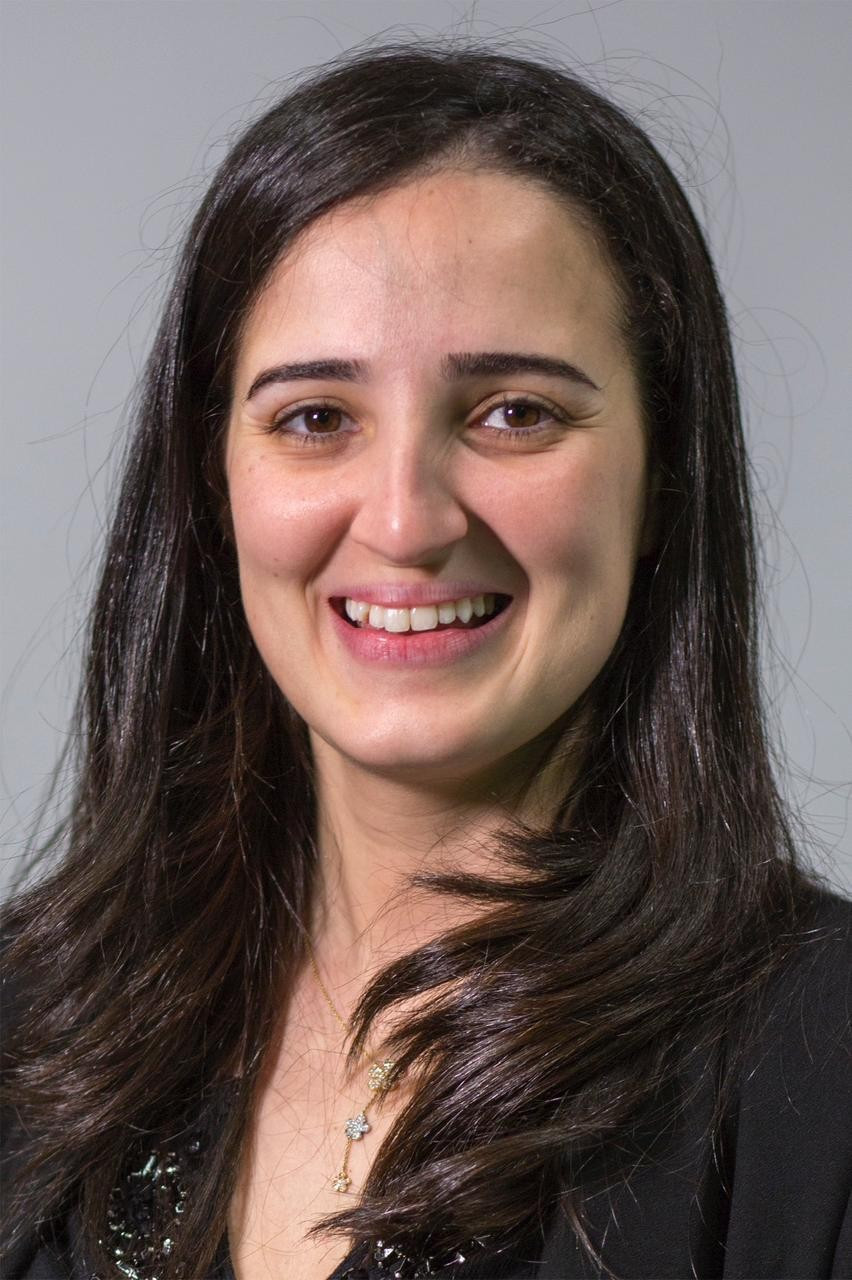 Miriame El Mazzoudi (PGE14) reached a similar conclusion. After three years with KPMG in Paris, she and her husband decided that Morocco was where they wanted to raise their family. BearingPoint recruited her while she was pregnant, at a time when its Casablanca office was “growing fast, with a start-up mentality and opportunities to take on some very high-profile projects.”
Contributing to the country's development
Miriame's work involved drawing up strategic plans across a variety of sectors, from improving service quality at a national port operator to developing an e-government strategy. She made the move into public service, driven by a desire “to make a difference on a national scale and serve the public interest”, becoming Chief of Staff to the Minister of Economic Inclusion, Small Business, Employment and Skills, then an advisor to the Minister of Health and Social Protection. In her first role, she helped get a long-awaited bill on the right to strike passed, after decades of debate. “It was a major milestone, and I'm very proud to have been part of it. It was the first time I'd ever worked through the night!” she laughs. At the Ministry of Health, where “the issues concerned a highly strategic, heavily politicized sector, with powerful unions and lobbying groups”, Miriame spent a year and a half working on the sensitive issue of bringing down medication prices. “They account for a third of spending under the mandatory health insurance scheme, which now covers 88% of the Moroccan population, up from 42% just a few years ago. We therefore need a new pricing methodology to ensure the long-term sustainability of the health insurance system.”
Amine also left Société Générale for a career in public service because he wanted to help shape his country's future. Today, as Chief of Staff to Morocco's Minister of Industry and Trade, he works across an extraordinary range of issues and engages with everyone “from CAC 40 executives to local business associations.” He works on short-term issues as well as medium-term projects involving the design of more strategic initiatives, such as programs for people with disabilities, and longer-term roadmaps covering broader challenges, including product pricing and geopolitical shifts affecting supply chains. He was closely involved in managing the post-COVID period: “Initially, my role was very operational, ensuring the supply of food and medical products. Then I helped successfully roll out an import substitution policy, identifying industrial project opportunities for private investors.”
There is no shortage of untapped opportunities in the private sector either. While living in France, Simo had access to job-search resources that were not yet available in Morocco. “With Jobzyn, I wanted to make the Moroccan job market more transparent by helping companies better communicate what they have to offer. This, in turn, resulted in more relevant applications.” Jobzyn has since taken its candidate screening process a step further by adopting AI solutions, including automated resume pre-screening, AI-powered interviews to assess soft skills and conversational agents. Having himself benefited from the services of emlyon business school's Career Center, Simo is also rolling out pro bono Career Centers at 35 universities and schools across Morocco. “Innovating in an emerging economy gives you the chance to make a difference across the whole ecosystem.”
Oumaima, meanwhile, is helping develop the country's retail sector, which “is still 80% dominated by traditional businesses: small, family-run stores that stay open for long hours. In Europe, by comparison, large, established retail chains account for 95% of the sector.” As Morocco's population and economy grow, hypermarkets are spreading into its larger and midsize cities. Carrefour and Marjane, already firmly established in Casablanca, are now expanding into smaller urban areas. “I help major retailers open new stores and grow the modern retail sector, while also supporting traditional businesses as they professionalize and modernize. They are a major source of employment and must be protected.
In Morocco, small family-owned stores still account for 80% of retail distribution.
Morocco, a regional and international hub
The country boasts many strengths. “Moroccan industry has made tremendous strides, with strong leadership and direction from the highest levels of government. Industrial policy is built around a long-term vision. The country has a strategic location, world-class infrastructure – from Tanger Med, the Mediterranean's largest container port, to its new high-speed rail line – and competitively priced renewable energy,” says Amine. He also points to the quality of Morocco's talent: “Our main priority is to create jobs that live up to people's qualifications and ambitions.” New industrial hubs have sprung up over the past 20 years, particularly in Kenitra and Tangier. Today, the country's strongest sectors are automotive manufacturing – the powerhouse of Moroccan industry and its leading export sector, generating €15 billion a year, with production capacity close to one million vehicles, a 70% local content rate and more than 220,000 jobs – and aerospace. Though smaller, the aerospace sector is a showcase for Morocco's expertise in cutting-edge technology. “Our factories assemble and maintain next-generation aircraft engines,” Amine notes. “The country's overall economic outlook is very positive,” adds Simo. “The 2030 World Cup is generating infrastructure projects that have a knock-on effect across all sectors, boosting employment, particularly in construction and related services such as insurance and finance.”
“When I returned in 2014, Morocco was making a major push to open up to the rest of Africa,” says Kenza Sayegrih, who joined Hopscotch System Africa in 2019, at a time when the group's ambitions on the continent were still taking shape. “The country offers a unique combination of advantages: its geographical position, stability, international outlook and the economic and institutional relationships it has built with many African countries.” Morocco acts as a hub: “lt is at the crossroads of Europe, sub-Saharan Africa, the Arab world and the Atlantic. This gives it a unique position from which to attract businesses looking to expand their regional strategies.” Morocco is a good base. It’s a French-speaking country, just a three-hour flight from Paris,” adds Oumaima. “I work closely with our Paris office and with clients in France, as well as in South Africa and the Middle East, where markets are further developed than in Morocco but haven't yet reached European levels of maturity.” Kenza leads the expansion of Hopscotch System Africa across the continent, helping clients navigate African markets and develop strategies that work internationally while reflecting local realities. “Africa cannot be approached as a homogenous market. Institutional, economic, media and cultural landscapes can differ dramatically from one country to the next. Leading operations from Casablanca is therefore not about centralizing everything, but about bringing the different pieces together. Morocco provides the platform from which we engage with local ecosystems while respecting what makes each one unique.”
The School’s decisive contribution
Their time at emlyon business school left a lasting impression on all the alumni. For Amine, the School opened up new academic fields and broadened his international perspective: “Spending six months on the Shanghai campus gave me the chance to discover China and gain a deeper understanding of the global economic and political landscape.” What Kenza
remembers most about her time at the School is a particular way of approaching challenges: “Observe, understand, decide, test, adjust. This mindset is especially valuable in my line of work, where being agile is just as important as having the right expertise.” Miriame highlights the opportunities the School gave her from an early stage in her career: “During my gap-year internship at the WTO, I developed a management accounting method and had the opportunity to present my findings to representatives of all the member countries, even though I was still very young. And it was my financial accounting professor, a partner at KPMG, who helped me land my final internship and, subsequently, my first job in Paris.”
Simo notes that more and more members of the Moroccan diaspora are returning home, while expatriates with no previous connection to the country are also arriving: “There are plenty of opportunities, and salaries are competitive. The market is particularly promising for experienced professionals and highly qualified graduates, such as those from emlyon.” Oumaima's advice to younger graduates is to take the initiative and contact alumni directly through social media, especially LinkedIn: “Don't be afraid to reach out! No one will see your message as an inconvenience. At worst, we might just be a little slow to respond.”
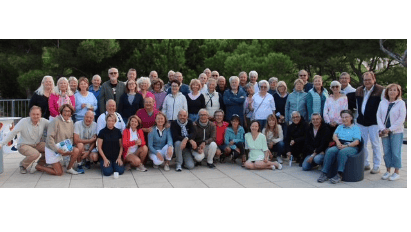
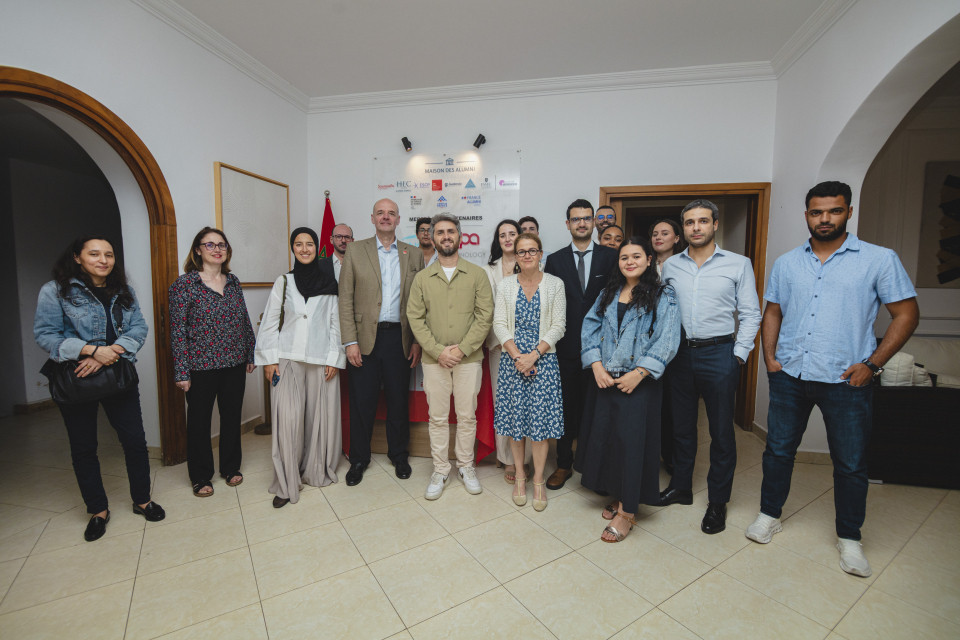 On June 10, 2026, Isabelle Huault (PGE90), Executive President & Dean of emlyon business school, met with alumni in Morocco at the Alumni House in Casablanca to discuss the School's development strategy in Africa.
The emlyon community in Morocco emlyon alumni in Morocco
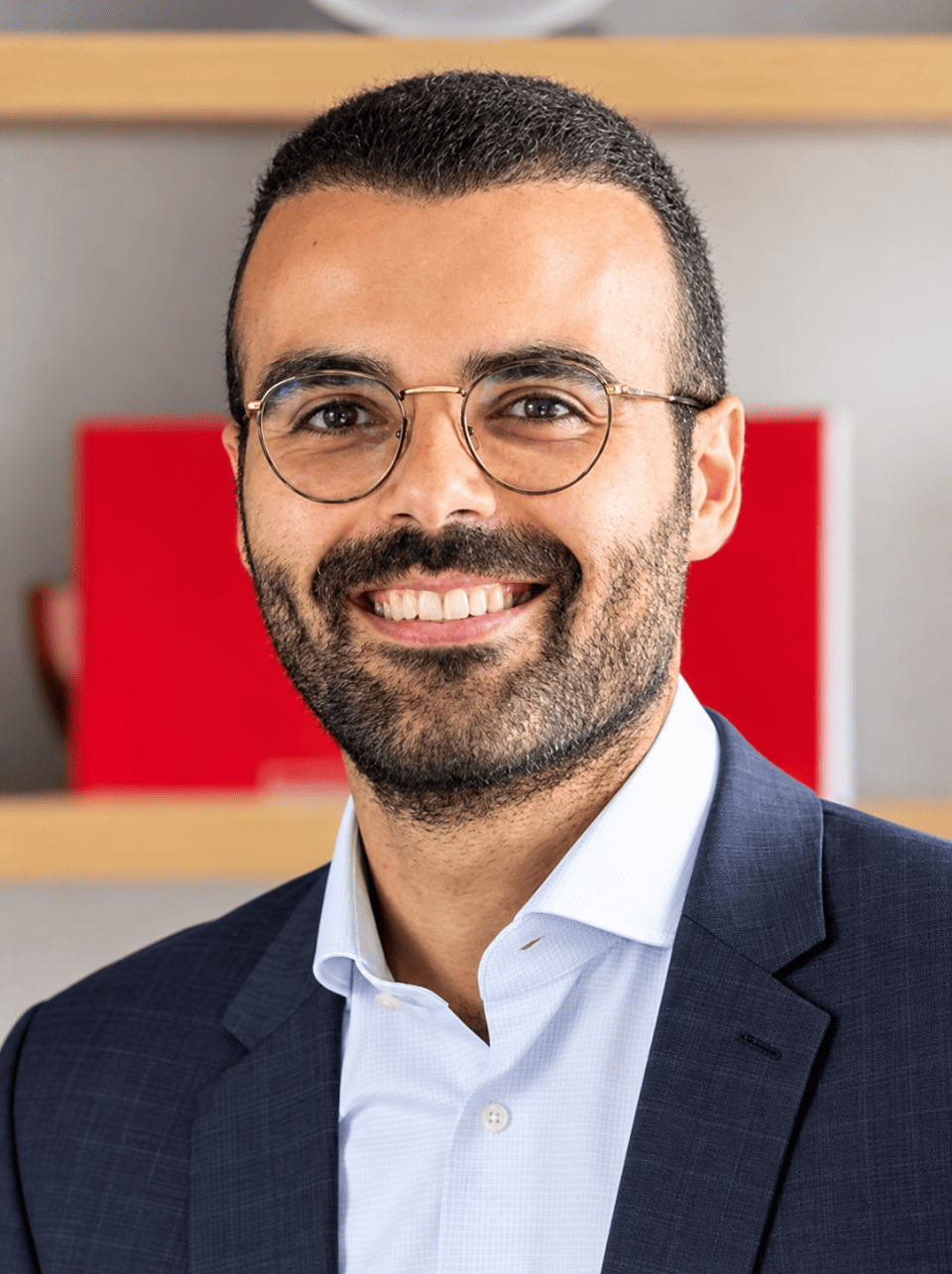 Mouhamad Choura (PGE14)
FertileaderWith 400 alumni, the emlyon network in Morocco is one of the largest outside France. Simo Zizi (PGE14), who has served as ambassador for the past three years, has helped lead this fast-growing community, initially alongside Sonia Diouri (PGE14) and later Mahmoud Choura (PGE19): “After Sonia left, Miriame El Mazzoudi (PGE14) and Yassine Bisbis (PGE14) came on board.” Simo also represented emlyon at the Alumni House, “which hosts around 50 events each year, bringing together entrepreneurs, ministers, business leaders and senior public officials, and helping strengthen cultural, political and economic ties between France and Morocco.” Mahmoud explains that the emlyon network also organizes three major events of its own each year: “The Ramadan iftar dinner, which attracted around 30 alumni in 2026, the emlyon Alumni Connect the World event and a larger get-together, whether a dinner, after-work gathering or barbecue.” Upcoming projects include informal social gatherings next summer and inviting School professors to speak at the Alumni House “which is emlyon’s home base in Morocco.”
Commentaires0
Veuillez vous connecter pour lire ou ajouter un commentaire
Articles suggérés