📰 Le Fil | Clothilde Delbos (PGE89) - "One thread, many lives"

Lire l'article original en français dans le magazine Le Fil #8
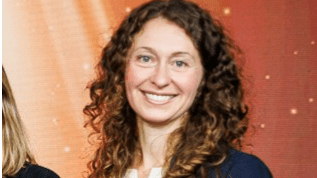
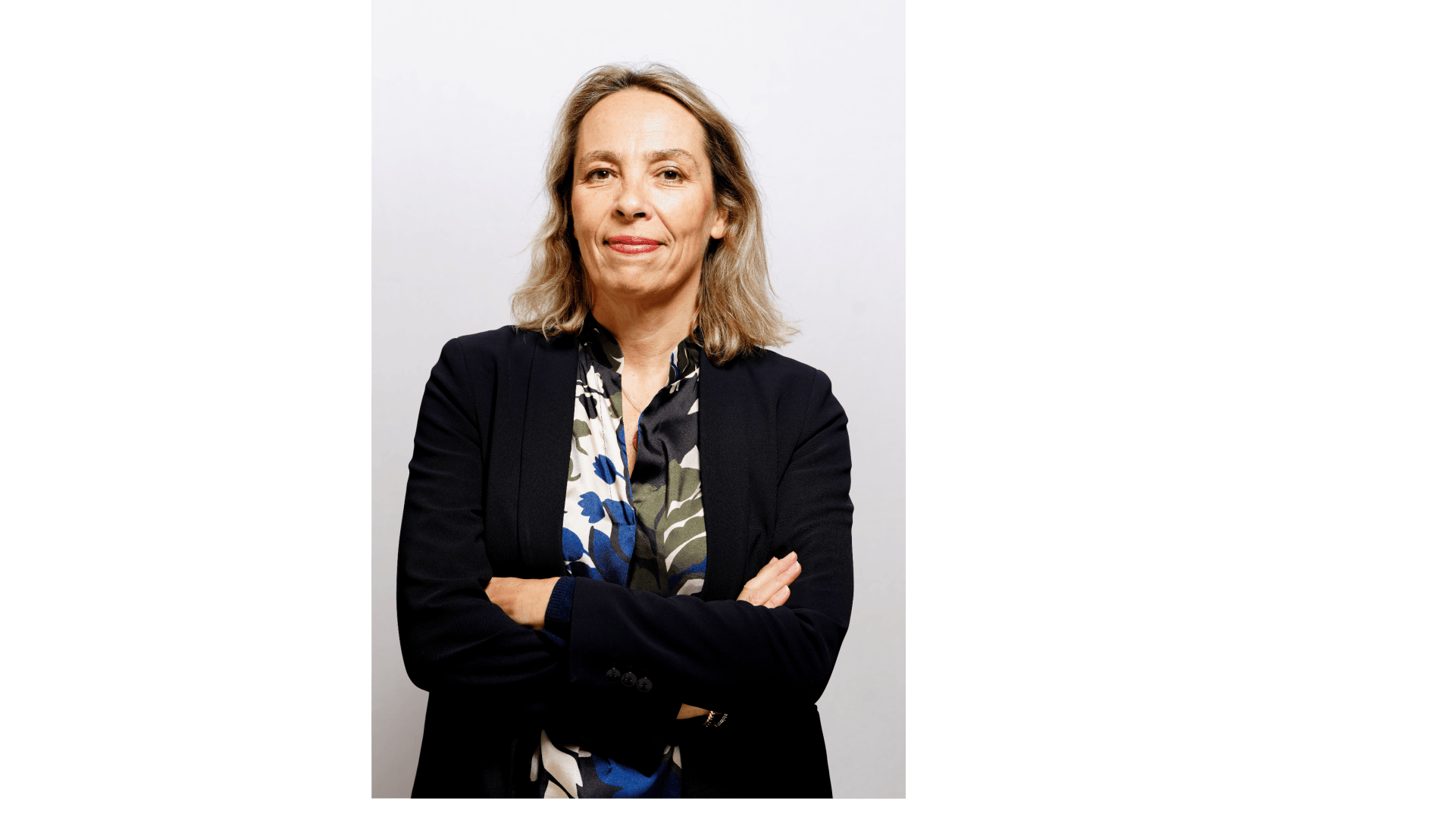
Clothilde Delbos (PGE89), Senior Advisor at Oliver Wyman
One thread, many lives
Leading Renault through a period of turmoil, getting the French Rugby Federation’s finances back on track, sitting on the boards of global corporations – Clotilde Delbos has done it all! She has mastered the art of stepping beyond her comfort zone while always keeping her composure and speaking her mind.
Career path
1989 - emlyon graduate
1989 – Auditor, King Bearing, California
1991 – Auditor, Price Waterhouse
1992 –Joined Pechiney
2001 – Division CFO, Pechiney
2005 – CFO, Alcan Engineered Products, Alcan/Rio Tinto
2011 – Deputy CFO and Chief Risk Officer, Constellium
2012 – Head of Performance and control, Renault
2016 – CFO, Renault; Chair of RCI Bank
2018 – Interim CEO, Renault
2020 – Deputy CEO, Renault; CEO of the Mobilize brand
Today – Senior Advisor; Oliver Wyman; Board member at AXA, Sanofi and Schneider Electric
You say your rise to the top was not meteoric... yet you went on to lead Renault. How did your career unfold?
Without any particular plan at first, simply trusting my intuition. I spent 30 years in finance demonstrating my ability, always willing to go above and beyond, step outside my comfort zone and take risks. My career evolved through a succession of opportunities and encounters with mentors who believed in me, including Jean-Dominique Senard at Pechiney, who I later worked with again at Renault.
Did you know you wanted to work in finance when you were at emlyon?
I’ve always loved numbers… I majored in accounting! What I really enjoy is putting numbers into a real-world context. As CFO, I worked very closely with the business units and saw my role as that of a copilot, helping them make informed decisions and steer both operations and the company towards growth.
What values have guided you?
I’ve always wanted to forge my own path, and I thrive in workplaces where honesty, transparency, courage, mutual respect and, of course, hard work are valued. These are the values that bring teams together and get them pulling in the same direction. Listening is also essential to understanding what motivates people, as is feedback, which allows you to adjust course when necessary. That doesn’t mean avoiding tough decisions or moving people out of roles that aren’t right for them. When I joined Renault’s management control team, I wasn’t allowed to hire or fire, so I focused on getting the right people into the right positions. There’s a place for everyone, provided they respect the rules. It’s much like rugby: if you don’t play by the rules, you end up on the bench – or off the team altogether. It’s as simple as that.
You spent 20 years in the aluminum industry (Pechiney, Alcan and others), followed by 11 years at Renault. Is loyalty important to you?
Loyalty may be out of fashion these days, but I still believe in it. If you share your company’s values and have opportunities to grow, learn and thrive, why go elsewhere? I leave only when
I no longer feel that alignment. I stayed an average of four to five years in each of my roles. If you move on every two years, you never get to see the consequences of your decisions and that’s neither fair to the people who take over from you, nor rewarding for you. During my time at Pechiney, I moved through several different roles, including internal audit, mergers and acquisitions and eventually CFO of a business unit. I wasn’t trained for some of these positions when I took them on, but people trusted me and I learned a great deal on the job.
What lessons did you take away from your time in the aluminum industry?
Those 20 years were eventful. I began my career in a state-owned group, Pechiney, and finished at Constellium, a company owned by a private equity firm. Along the way, we were privatized, bought by a Canadian company, taken over by an Anglo-Australian group and eventually spun off! All told, I experienced five different corporate cultures, each with its own management style and demands. It was an incredibly varied experience! It taught me plenty of dos and don’ts – especially things to avoid doing. Constellium taught me some particularly valuable lessons about what not to do. When the company was set up, the private equity fund brought in an outside CFO who wanted to tear down everything his predecessors had put in place and start from scratch… except he never rebuilt anything! This is a very common mistake. The lesson I took away was that you need to assess what is already there and be humble enough to recognize that good decisions may have been made before you arrived. You need to build on that foundation, even if there is always room for improvement.
"You need to be humble enough to recognize that good decision may have been made before you arrived."
Does ego come into play?
Yes. The higher you climb, the harder it becomes to find leaders who are humble enough to listen to those around them. That’s a major pitfall at the top. In the automotive industry, some top executives have been so successful early in their careers that they become convinced they’re always right and refuse to hear opposing views. On the contrary, it’s essential to surround yourself with people who speak their minds, aren’t afraid to disagree with you and make you look at things from a different angle.
What made you move from aluminum to the automotive industry?
My uncle was a car dealer, so maybe that had something to do with it without my realizing… [laughs]. Joking aside, I reached a point where my values no longer aligned with those of the investment fund behind Constellium, so I began exploring other options. Having spent more than a decade working in an Anglo-Saxon environment, I wanted to stay in an international role, and the Renault-Nissan alliance appealed to me. I wasn’t particularly interested in cars to begin with, but I discovered an industry that is complex, technology-intensive and built around high volumes, with constantly evolving regulations, just-in-time operations, uncompromising quality standards and, of course, the need to win over customers. Fascinating!
You spent ten months as Renault’s acting CEO at a particularly difficult time. How do you steer a company through a governance crisis?
Renault went through a succession of crises in just a few years: Dieselgate, which broke in 2015, Carlos Ghosn’s imprisonment in Japan in 2018, Thierry Bolloré’s shortened tenure and the failed merger with Fiat Chrysler in 2019. When Thierry Bolloré was dismissed, Jean-Dominique Senard asked me to take over as interim CEO. I had an hour to decide and I
accepted because I knew I could count on his backing. The company was caught up in a race for volume and technology that it didn’t have the resources to sustain. It was heading straight for a wall. My task was to make the tough decisions needed to get it back on course, allowing the next CEO to come in and focus on more positive developments. We went back to basics, which meant restoring the brand’s value by stopping vehicle discounting – even if it meant lower sales volumes, drawing up a major cost-reduction plan, and reviewing our manufacturing footprint, including our plants in France. We also decided to exit China’s passenger car market, which turned out to be the right decision. Our competitors paid a very high price for staying in the market longer. I also reshuffled the executive committee, replacing three of its members.
The groundwork had been laid before Covid hit. During the pandemic, my focus was on managing the immediate crisis. Trying to lead 180,000 people from your living room, with your husband, children and cat underfoot, was quite a challenge! [laughs] Every Thursday, I emailed the entire workforce to keep them informed about the latest developments across the Group – colleagues who had tragically died, plants that had shut down, but above all, the steps we were taking to prepare for the restart. Those emails helped people stay connected to the company and see a light at the end of the tunnel. Cash management was also an incredibly daunting task. And I was juggling three roles at the same time: interim CEO, CFO and chair of the Group’s captive finance company.
How did you get through it all?
Thanks to my teams. In the finance department, I had senior colleagues who were highly respected in the Paris business community. They were the right people in the right positions, and I could trust them to take care of their responsibilities. That allowed me to concentrate on the rest. My family also supported me, as they always have, and I’m naturally quite resilient. In any case, there was no alternative: when you have 180,000 people depending on you, you just have to step up and do what needs to be done.
You then went on to head Mobilize…
When Luca de Meo arrived as the new CEO, he reorganized the Group around its existing brands (Renault, Dacia and Alpine), as well as a new brand we created to focus on new mobility solutions: Mobilize. I led it for nearly three years, until I left the Group, while continuing as Deputy CEO and chair of the Group’s bank and, for a time, as CFO. We built everything from the ground up: assembling a team, defining a strategy and setting targets, which ranged from designing new vehicles that were fully electric and 95% recyclable to creating financing packages for them, including leasing options. The bank was also overhauled and renamed Mobilize Financial Services. It was an incredibly exciting project! I still follow developments in this new mobility ecosystem, which I’m convinced will continue to grow, even if progress has been slower than expected.
What does your current role at Oliver Wyman involve?
As a Senior Advisor, I support the firm with proposals, assignments and client work in areas where I have relevant experience, including mobility, captive finance, financial matters and broader business issues. I also take part in roundtable discussions and contribute to the firm's in-house management training.
When you were working in industry, you weren’t particularly keen on strategy consulting firms. Has your view changed?
Yes and no. It depends on the firm! [laughs] I’m not convinced by the value these firms bring to senior executives, given their strong focus on C-suite strategy. Too often, I think managers use them as a way to get an outside firm to deliver a difficult message they don’t dare communicate themselves. On the other hand, there’s another type of consulting firm, like Oliver Wyman, with a far more hands-on approach. They do the detailed, substantive work that can make a real difference to their clients.
You’ve spent 35 years in a very male-dominated industry. Is it easy being a woman in a senior leadership position?
Honestly, I’ve never had a problem with it or found it difficult. I progressed by proving my abilities and the value I could bring, not because I was a woman – at least, I hope not! [laughs] In fact, I came to see it as an asset. I had a different sensibility and a different way of looking at things. Women are generally more direct and challenge a male-dominated environment that can be very political and inward-looking.
"Women are generally more direct and challenge a male-dominated environment can be very political and inward-looking."
You’re a board member at three CAC 40 companies: AXA, Sanofi and Schneider Electric. Are there issues that they all have in common?
A board isn’t there to rubber-stamp decisions, nor to stand in the way of progress. Its job is to help the CEO. I’ve had the honor of being selected by some of France’s flagship companies, all global leaders in very different fields: transportation, through Alstom, where I recently completed two terms; insurance, with AXA; pharmaceuticals, with Sanofi; and energy management, with Schneider Electric. I try to bring my past experience to bear on the issues these groups are facing today. I serve on the audit committee of all four companies. They face many of the same challenges, including risk management, business transformation, cybersecurity, AI, changes to accounting standards, people management, sustainability and climate issues. It’s really interesting.
You’re also Treasurer General and a member of the executive committee of the French Rugby Federation (FFR). What prompted you to take on this role?
I love rugby and it runs in the family: my husband played, two of my children play, including one of my daughters, and all my friends are fans. Its values of respect, performance and teamwork reflect the principles I put into practice in my personal and professional life. Renault also became a partner of the Federation again in 2020, with my approval and full support. I joined the list led by FFR President Florian Grill when he ran for a second term as I wanted to give some of my time to the sport on a voluntary basis. The 2023 Rugby World Cup in France proved a major financial drain, so my main priority is to turn the Federation’s finances around. We’re ahead of schedule. I’m also involved in discussions on growing this wonderful sport: increasing the number of federation members, helping clubs build facilities, supporting competitions and boosting France’s international standing in rugby. And I act as a link to the professional game through my roles on the boards of the National Rugby League and World Rugby, the sport’s international governing body.
How does it feel not to have an operational role anymore?
It was a little difficult at first, but wasn’t a huge shock. I did have 35 years of professional experience behind me, after all! [laughs] I’ve structured my life differently, with a range of
activities: my work as a Senior Advisor, the FFR, board positions and involvement in various professional groups, including the Club des Trente, a network of CFOs from France’s largest companies. It’s very rewarding! I’m now at a point where I can give back what I’ve learned and what others have given me.
What advice would you offer young emlyon students and recent graduates as they start out in their careers?
Don’t try to map out your entire career. Demonstrate your abilities, take risks and give every role your all, but make sure you work for a company whose values reflect your own. Otherwise, it will take its toll on you. Be patient, too: accept that every job comes with its share of tedious tasks. Find a mentor you trust, someone you can still call even ten years after leaving the company. And finally, look after your family and, above all, choose your life partner wisely: someone who will support you and who you can support in return.

Commentaires0
Veuillez vous connecter pour lire ou ajouter un commentaire
Articles suggérés