
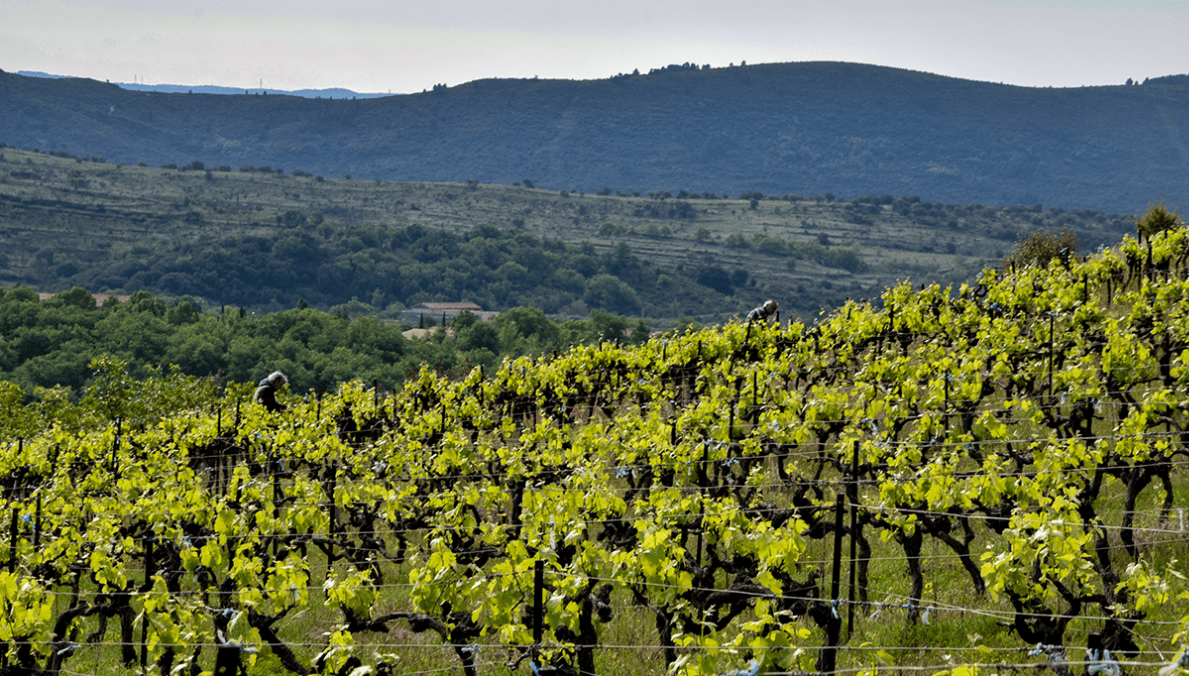
Jean-Charles Auffret (MBA13) founded Clos Aguilem in the Terrasses du Larzac in 2015 and farms his vineyards organically.
Lire l'article original en français dans le magazine Le Fil #8
A glass half-full
Despite the many challenges facing their industry, emlyon alumni working in France’s wine sector continue to pursue their profession with talent and passion. Resourceful and determined, they believe that Bacchus’s favorite drink has a future and that sharing a glass of – good – wine remains one of the finest ways for us, as human beings, to celebrate “what brings us together”*…
* A reference to Cédric Kalisch's 2017 film Ce qui nous lie (released in English as Back to Burgundy)
The wine industry is in the grip of a deep-rooted crisis with many different dimensions. According to the OIV (International Organization of Vine and Wine), global wine consumption fell by 2.7% between 2024 and 2025, to 208 million hectoliters – its lowest level since 1957. International competition is intensifying. Wines and spirits are France’s third-largest contributor to its trade surplus, behind aerospace and cosmetics. Yet exports fell to €14.3 billion in 2025, a 7.9% decline compared with 2024, according to FEVS (the French Federation of Wine and Spirits Exporters). After a heatwave that left the vines struggling, the 2026 harvest is expected to produce only around 34 million hectoliters, down 6% on the previous year, estimates Agreste, the French agricultural statistics agency.
"The 2026 harvest is expected to produceonly around 34 million hectoliters, down 6% by 2025.
US tariffs – affecting our biggest export market – falling wine consumption among younger people, squeezed household budgets and the sharp rise in fuel prices this autumn: a series of blows adding to an already full measure of woes. Yet the industry is holding its ground and fighting back. Many emlyon alumni have made their careers in wine: from family-estate winemakers and newcomers who have retrained after careers in finance or consulting, to export managers at major wine producers, executives at wine trading companies and managers of wine tourism sites. What they all have in common is a deep-rooted passion for wine. And passion is a ‘vino qua non’ for making a commitment to such a demanding and unpredictable business.
Martin Texier (PGE13)
Independant winegrower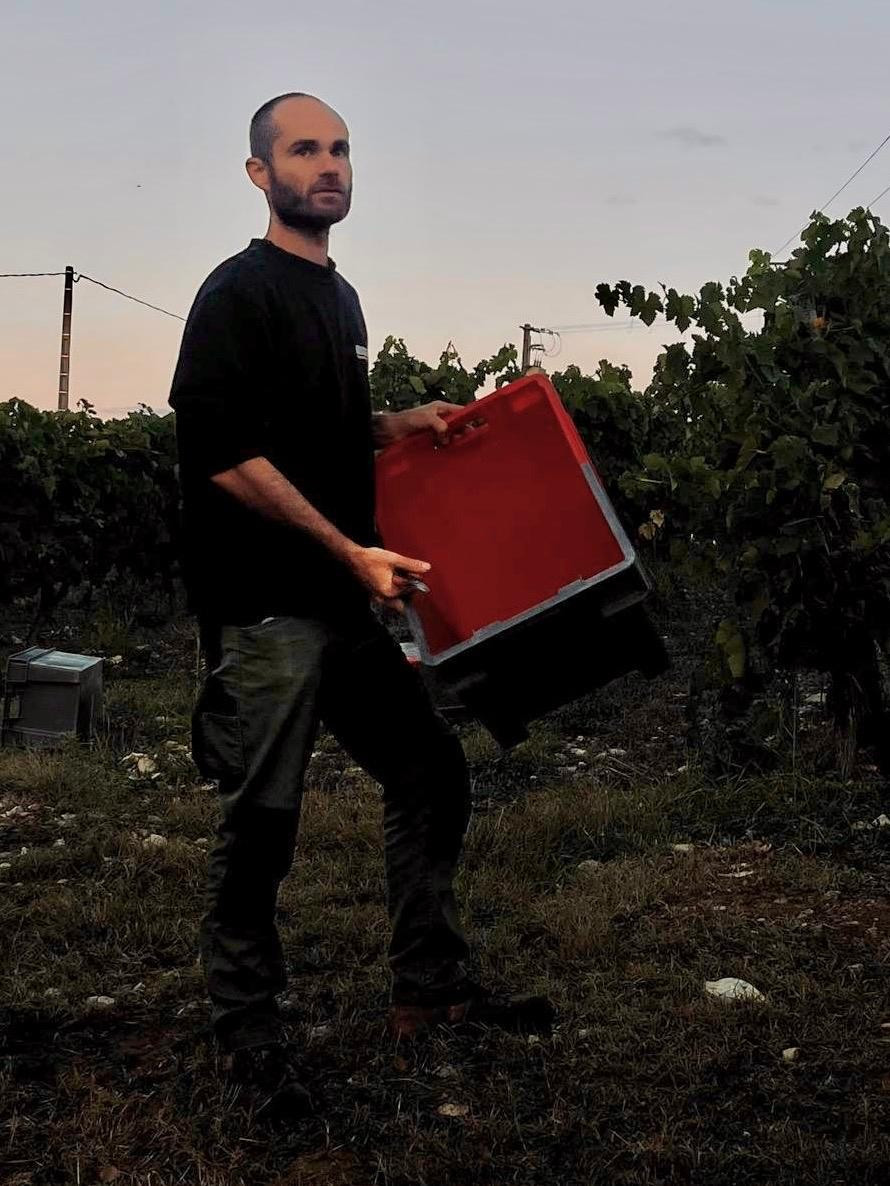
The organic generation reaches maturity
A new wave of independent winemakers is gradually transforming the industry, embracing more natural approaches to winegrowing. Sometimes, this means building on a family legacy. Martin Texier (PGE13), whose father was a winemaker, never saw himself doing anything other than working among the vines and in the cellar. “I learned the wine trade in New York before returning to France in 2014 with the idea of setting up on my own.” After earning a professional qualification in viticulture and winemaking in Beaune, he spotted an opening: “A vineyard lease was becoming available. I wasn't sure whether to take it. My father said, ‘Go for it!’ And that was the start of my life as an independent winemaker.” Martin now grows the grapes and makes all the wine himself. “Ten hectares of organic vineyards across two lesser-known areas of the Côtes du Rhône. It’s a fascinating terroir to work with.”
Philippe Gilbert (PGE93)
Domaine Philippe Gilbert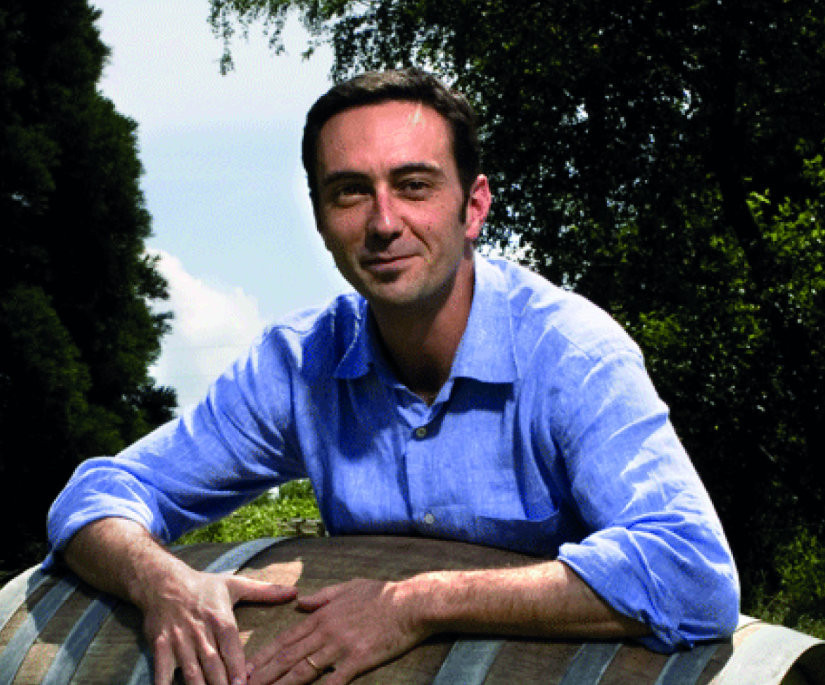 Philippe Gilbert (PGE93) has a very different story to tell – one of family opposition rather than inheritance. “I was passionate about protecting the natural world from an early age. I worked in plastic waste management and on tackling groundwater pollution. My father, on the other hand, was a winemaker committed to intensive agriculture, which, to be fair, that was the accepted approach at the time. So I went out on my own to prove what I could do, with a very different philosophy of the profession.” Today, he runs Domaine Philippe Gilbert Menetou-Salon, a 30-hectare estate in the Centre-Loire region and still marvels at “seeing an orchid bloom in a vineyard.” A member of Biodyvin, a trade association for estates that practice biodynamic viticulture exclusively, he has been committed to this approach since 2007. “Since 2021, half of the Menetou-Salon appellation’s vineyards have been farmed organically,” Philippe notes.
Jean-Charles Auffret (EMBA13)
Clos Aguilem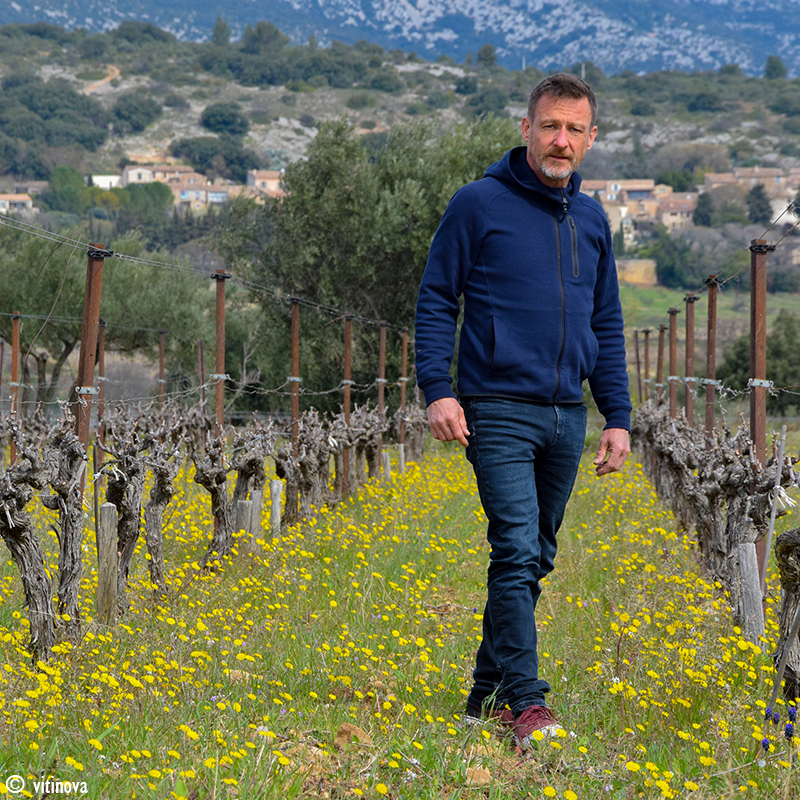 Jean-Charles Auffret (EMBA13) set up SCEA Clos Aguilem in the Terrasses du Larzac wine region of the Hérault. Its 13.5 hectares are farmed organically, and its wines regularly feature in the Guide Hachette. Trained as an agricultural engineer and oenologist, he began his career in Champagne at Veuve Clicquot, where he was responsible for quality and environmental management. “But then I wanted to strike out on my own and start a business.” After completing his MBA at emlyon, he established his own estate in 2015, funded by “love money” from around 15 partners! “My partner, my parents, friends, wine enthusiasts who invested, and a group of people from Champagne.”
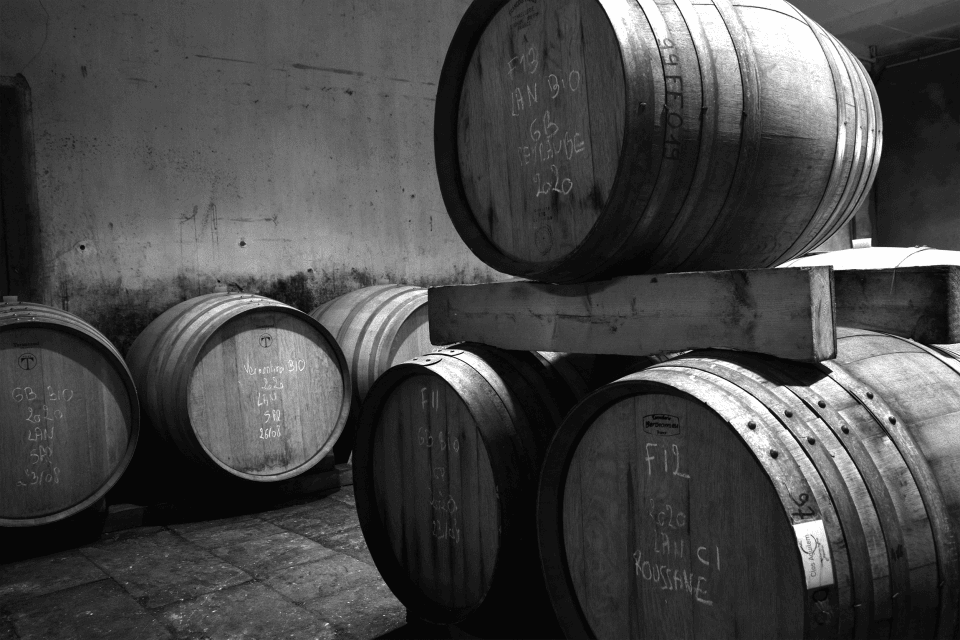
At Clos Aguilem, Jean-Charles Auffret’s (EMBA13) wines are aged in barrels.
Adélie Ferrari (BBA20)
Château Malherbe
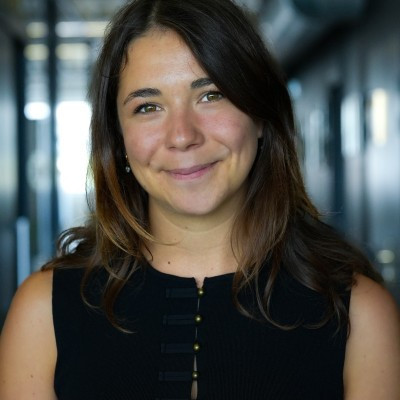
Adélie Ferrari (BBA20), Junior Partner at Family & Co, a consultancy specializing in family business governance, also plays an active role in her family’s estate, Château Malherbe, in Bormes-les-Mimosas. The property holds Demeter certification, a particularly rigorous biodynamic standard. “I’m the fifth generation of the Ferrari family to live and work on this beautiful property, in the heart of a protected Natura 2000 site,” she points out. The estate produces 80,000 bottles annually from 25 hectares of vines. “We make balanced reds and whites with lovely acidity and refined bitterness, while rosé accounts for just 15% of production. Ours is more structured, with the potential to age.” Not what you might expect from Provence! “Our customers are private buyers and fine-dining restaurants run by a new generation of chefs who are reinventing their menus and the way people drink wine.” And who have a particular appetite for organic wines
Clémence Durieux (PGE15)
Champagne Virginie T. 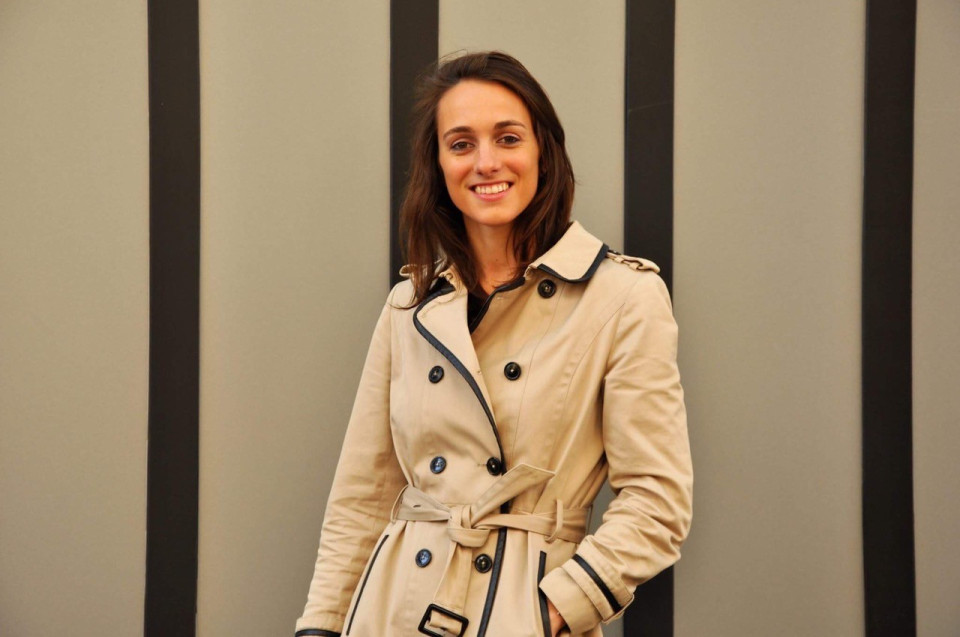
Passion and sound management: the winning formula
While a love of the product is the foundation of success in the wine industry, good business management is equally essential. After repeatedly being the go-to person among friends and family whenever someone asked, “What’s a good wine to drink?”, Clémence Durieux (PGE15) decided to make a career out of giving wine advice. Having discovered the international wine scene at Dom Pérignon, where she completed an internship, she struck out on her own. “With support from the emlyon incubator, I founded Le Bon Gustave, France’s first ‘e-wine concierge.’”, she explains. She went on to teach at Burgundy School of Business and Institut Paul Bocuse, while also taking on the role of operations manager at Champagne Virginie T. “It’s an independent family-run Champagne house, founded by Virginie Taittinger in 2008. Her son Ferdinand, who is the cellar master, works alongside her to create the cuvées. My job is simple: to drive growth! Her approach? Telling stories and building relationships. “Every one of our Champagnes has a story behind it,” she says. “We tell those stories on our website, but also at relaxed get-togethers where we welcome our clients – mainly cafés, hotels and restaurants – to the estate as friends, alongside Virginie and Ferdinand.”
Frédéric Pacaut (Certif16)
Delaunay Vins & Domaines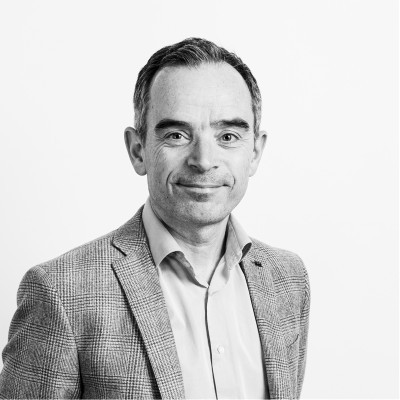 Trained as an agricultural engineer, Frédéric Pacaut (Certif16) has built his career in marketing, finance and international business development for major wine brands. Since 2010, he has led Delaunay Vins & Domaines, a family-run wine producer and merchant founded in 1995, with operations in Burgundy and the Languedoc. “The wine industry is constantly changing. You need to stay on top of all the shifts in the market and be ready to adapt quickly,” he explains. One major development, he notes, is “the sharp worldwide decline in wine consumption, which has led to large-scale vineyard removal and a resulting reduction in supply.” In the 1970s, the Languedoc-Roussillon vineyard covered 400,000 hectares and produced 30 million hectoliters a year. “Today, that figure has fallen to just 230,000 hectares, yielding around 11 million hectoliters a year.” Yet for two decades, the company managed to achieve profitability well above the industry average. The secret? “Keeping the business lean, limiting fixed assets and focusing on the activities that create the most value: winemaking, blending and bringing the wines to market,” Frédéric sums up.
"In the 1970s, the Languedoc-Roussillon vineyard covered 400,000 hectares [...]. Today, it's just 230,000 hectares".
But by the mid-2010s, the company's size and ties with major international customers prompted it to invest in vineyards and increase its winemaking capacity in southern France. “These investments, coupled with a tougher market, led to a gradual decline in Delaunay’s net income,” explains its managing director, who responded by making the company leaner and more resilient. This meant diversifying its activities, raising Burgundy’s share of the business to 40% and expanding estate distribution, which now accounts for a third of the total, while cutting overheads, inventory and debt. Results began to improve again in 2025, despite market conditions being more challenging than ever. Adapting to the market is a winning strategy, “as long as quality remains the priority,” Frédéric adds. Since 1995, the company’s wines have won hundreds of international medals, and in 2026 it became B Corp certified.
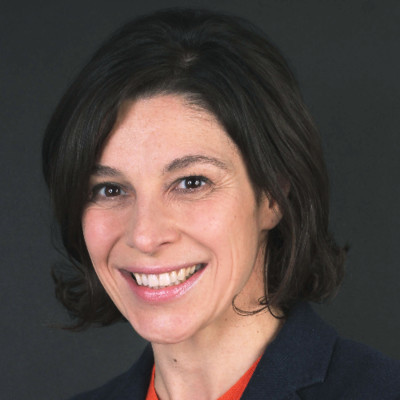
Delphine de la Fouchardière (PGE95)
Maison Albert Bichot
 “Building relationships of trust with our partners”
Quality. Delphine de la Fouchardière (PGE95), export director at Maison Albert Bichot, a family-owned Burgundy wine house with around 100 hectares of vineyards – most of which are classified as Premier Cru or Grand Cru – has plenty to say on the subject. “Quality is what will see the wine industry through this pivotal moment in its history. And it all starts in the vineyards, where the diversity is extraordinary. In Burgundy, every plot, or ‘climat,’ has its own identity, shaped by its aspect, soil and grape variety, as well as features such as a wind corridor or a nearby forest that brings cooler air. The winemaker then draws on their expertise to find the right balance of fruit, tannins, acidity and alcohol, bringing out the unique character of the terroir.”
But Delphine also champions the development of another kind of quality, namely that of the consumer! “Enjoying wine is something you learn, both intellectually and through your palate. Don't judge a wine by its label, and don't be intimidated by Burgundy wines or their reputation for being ‘very good… and very, very expensive!’ Trust your own palate and instincts as you explore the subtleties of Burgundy wine. In fact, you can often get a better sense of a producer's quality from a regional Burgundy than from a Grand Cru. And Burgundy wines can be just as enjoyable young as they are after years of aging.” After around a decade in marketing for a major US importer of Burgundy wines, Champagnes and Italian wines, Delphine has developed a long-term approach to doing business. “We focus on building lasting relationships and trust with our partners. That's one of the great strengths of family-owned wine houses.” The company has won numerous awards at the International Wine Challenge.
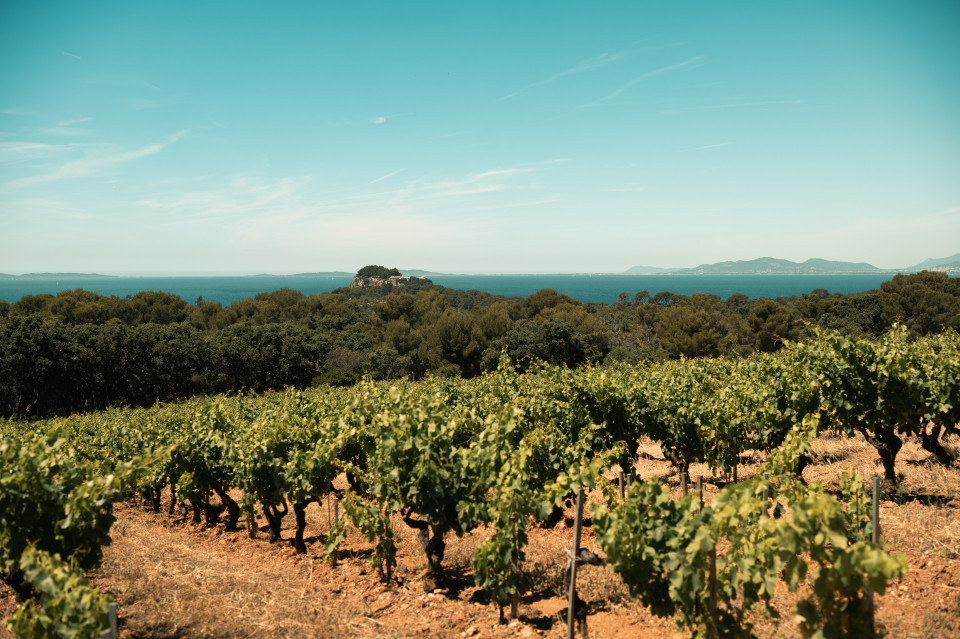 At Château Malherbe, Adélie Ferrari (BBA20) is the fifth generation of her family to run the estate in Bormes-les-Mimosas.
Playing the long game
Adélie Ferrari echoes this sentiment when she talks about “the long-term vision of the family estate, Château Malherbe. We've never been focused on making a quick profit. We're building something for the generations to come.” Philippe Gilbert recalls his early days in organic winemaking. “In the first three years, I lost almost all the staff and customers at the estate I'd taken over. But I stuck with it. I started making organic red wines in 2007 and the vines responded well, so I did the same with the whites the following year.” By 2010, the foundations were in place: “native yeasts, long aging…” He also points to the absurdity of “pushing vines so hard that they die at 20, when they need 30 years to fully express the character of their terroir.” Jean-Charles Auffret admits: “It took me a decade to double the size of my vineyards. and we're not quite profitable yet. “Direct sales to consumers are doing well and bring in reasonable margins, but since 2023 we've seen a lot of independent wine stores go out of business.”
Being a winemaker means embarking on a long journey. But Martin Texier is worried about a much shorter timescale: the speed at which the climate is warming. “Since 2019, climate change has accelerated so dramatically that our ability to adapt is struggling to keep up.” This is the wine industry's greatest challenge.
"Since 2019, climate change has accelerated so dramatically that our ability to adapt is struggling to keep up."
Winegrowers in search of shade and cooler temperatures
Martin sows cover crops between the rows “to add nitrogen to the soil.” This practice also helps improve water retention. “I've also installed shade cloth to protect my vineyard plots that are most exposed to the sun,” he explains. Through his membership of the Confédération Paysanne, he shares solutions for tackling the effects of climate change. “People working in the vineyards suffer from heat waves too. I actually collapsed in the heat out there this summer!” Philippe Gilbert points to the resilience of biodynamic farming. “In 2011, we had six weeks of rain after a severe drought. I lost 25% of my crop, compared with 80% for those practicing intensive viticulture, supposedly designed to maximize yields…”
Climate change is Jean-Charles Auffret's biggest worry. “We're doing what we can to hold out. I started changing the way I work in the vineyard back in 2015. Instead of trimming the shoots, we let them grow downwards to shade the grapes. We use cover crops to encourage the roots to reach deeper into the soil in search of water, and we bring forward the harvest. Some winegrowers in the Languedoc have become so disheartened that they've given up on grapes altogether and are switching to pistachios!” Adélie Ferrari notes that “the sea next to our estate brings cooler air, wind and moisture. Top-grafting enables us to introduce new, more heat-resistant grape varieties into our vineyards. We also weave vine shoots together to create natural protective structures.” A Herculean task, all done by hand! Clémence Durieux points out that in northeastern Champagne, “some areas that were once too cool are now suitable for growing grapes.” But there's a downside. As a result of the heat wave, Champagnes made from the 2026 harvest “could exceed 13% alcohol, reaching as much as 15%.” This is a first, only made possible by a special exemption.
"Champagnes made from the 2026 harvest could reach as much as 15% alcohol, compared to 13% normally. This is a first."
What’s next for French wine?
So what does the future hold? How do our alumni see the road ahead? “We need to stay in tune with emerging trends,” says Frédéric Pacaut. This summer, Delaunay launched a ready-to-drink wine cocktail – a lemon and basil spritz – followed this fall by a new alcohol-free range. Clémence Durieux sums up her vision neatly: “Traditional methods when it comes to making our Champagnes, modern thinking when it comes to selling them.” Adélie Ferrari remains confident: “There's a real appetite for quality wines.” Philippe Gilbert believes it's
time to “change the way wine is viewed, including by government authorities. Drinking good wine in moderation is a source of pleasure, a way to share and enjoy good company. We mustn't forget these essential parts of wine culture.”
Martin Texier sees opportunities in niche markets and diversification, relying on “a handful of restaurateurs, importers, wine merchants and private customers, all of whom I know well,” rather than putting all his eggs in one basket. Jean-Charles Auffret is more skeptical. “I'm not convinced younger generations will provide the next source of growth. They're more interested in matcha tea than wine, and they have less spending power.” Delphine de la Fouchardière draws on her experience. “Our markets go through cycles, but wine is here to stay. We need to develop ready-to-drink options and easy-to-use solutions for younger consumers. Eventually, as they grow up and develop their own tastes, they'll discover the richness, subtlety, diversity and sheer pleasure of a good glass of wine.”
Our alumni are glass-half-full people and that's certainly encouraging !
A wine destination... for every budget!
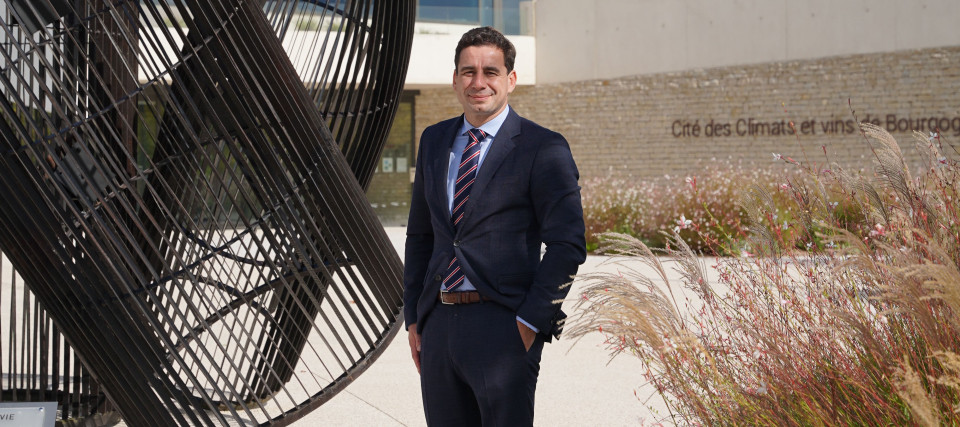 Edouard Mognetti (PGE17)
Cité des climats et des vins de BourgogneÉdouard Mognetti (PGE17) has made a career out of leading organizations that represent and champion their industries, explaining that he likes “being able to serve collective interests.” After heading the Bureau Interprofessionnel des Vins du Centre-Loire from 2020 to 2024, and then the School of Wine & Spirits Business in Dijon, he took up the position of deputy CEO of the Cité des Climats et Vins de Bourgogne in 2025. Opened in 2023, the institution has three locations: Beaune, Chablis and Mâcon. “Burgundy is a region close to my heart. I formed lasting friendships with the sons of winemakers while studying ats law school there.” His brief was to attract more visitors to the three sites, and he has delivered: “Our aim is to open up Burgundy's wines to everyone. It’s a famous wine region whose history remains little known.” He is focusing on the Wine School, more entertaining and sensory visitor experiences, and wine tastings with the opportunity to buy. “Bottles range from €10 to €400, but 80% cost less than €30!”
Sup’ de Coteaux: to learn to appreciate wine
 Diane Bellegy (PGE student)
Association Sup' de CotauxSince January 2026, Diane Bellegy (PGE student) has been president of Sup’ de Coteaux, emlyon’s wine appreciation club, which was founded in 1987. “Our association aims to introduce students to the world of wine through a wide range of events, including wine appreciation classes, wine-and-cheese evenings, and tastings.” The club's “Bacchus team” runs two competitions: the Défi de Bacchus, which brings together teams from leading French schools, and the Primaires de Bacchus, reserved for emlyon students. “This year's competition was held on June 13 at Lyon's Hôtel-Dieu, with 15 teams taking part, including HEC and École Polytechnique, as well as a three-member team representing emlyon alumni.” The challenge is to identify the country, vintage and grape variety of each wine in a blind tasting. At the Primaires, teams of three students have to identify a white wine and a red wine, then put their wine knowledge to the test in a quiz. “It's always a great atmosphere!” Diane says with a smile. The association also hosts receptions for businesses and public organizations, including emlyon, and is already planning a special event to bring alumni together next year for its 40th anniversary. “France has an extraordinary and diverse wine heritage, and it's important that we protect it,” the young president concludes.

Comments0
Please log in to see or add a comment
Suggested Articles